Taj Mahal Travel Guide: Everything You Should Know Before Visiting
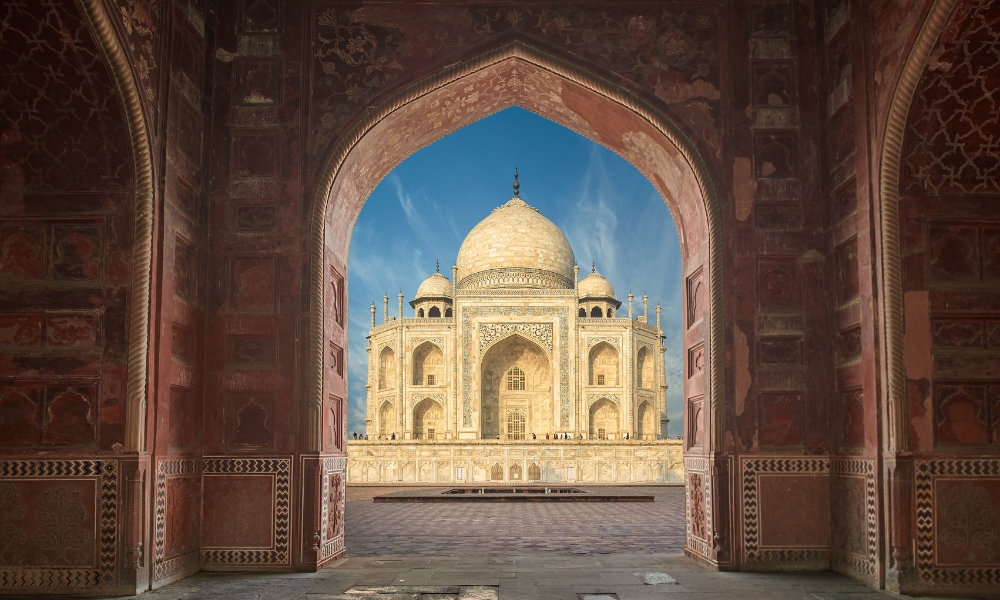
The Taj Mahal is one of India’s most recognizable landmarks and a highlight of many international visitors’ itineraries. Located in Agra, Uttar Pradesh, this magnificent white marble monument attracts travelers who appreciate history, architecture, photography and cultural experiences.
A little preparation can help you make the most of your visit.
1. The History Behind the Taj Mahal
The Taj Mahal was commissioned by Mughal emperor Shah Jahan in memory of his wife Mumtaz Mahal. Its construction began in the 17th century, and the complex became one of the finest examples of Mughal architecture.
The monument combines elements of Persian, Islamic and Indian architectural traditions. Its symmetrical gardens, decorative calligraphy, marble inlay work and elegant domes contribute to its distinctive appearance.
Beyond its beauty, the Taj Mahal represents an important chapter in India’s architectural and cultural history.
2. What Is the Best Time to Visit?
Early morning is a popular time to visit the Taj Mahal because the light can be beautiful for photography and the atmosphere may feel more peaceful than during busier periods.
Sunrise visits can be especially rewarding, although visibility and weather conditions vary. Late afternoon can also offer attractive lighting.
October through March is generally a comfortable season for sightseeing in Agra. During summer, temperatures can become very high.
Important: The Taj Mahal is generally closed to visitors on Fridays, except for permitted religious attendance at the mosque. Confirm current visiting hours, ticket rules and special arrangements through the official Taj Mahal or Archaeological Survey of India information before your visit.
3. Top Attractions to Explore in Agra
Agra offers more than the Taj Mahal. Consider adding these attractions to your itinerary.
-
Agra Fort: A UNESCO World Heritage Site associated with the Mughal emperors.
-
Mehtab Bagh: A garden across the Yamuna River offering views toward the Taj Mahal.
-
Itimad-ud-Daulah’s Tomb: A beautifully decorated Mughal tomb often associated with the development of marble inlay architecture.
-
Local handicraft markets: Places to discover marble craftsmanship, textiles and traditional souvenirs.
The attractions you can visit in one day depend on your available time, traffic and opening schedules.
4. Practical Tips for Your Visit
A few simple preparations can make sightseeing easier.
-
Purchase tickets through an official channel and check the current entry requirements.
-
Carry valid identification where required.
-
Wear comfortable footwear for walking around the complex.
-
Follow monument security rules regarding bags, food, photography equipment and prohibited items.
-
Hire a guide through a reputable provider if you would like more historical context.
-
Allow extra time for security checks and queues during busy periods.
5. Can You Visit the Taj Mahal in One Day?
Yes. Many travelers visit Agra on a day trip from Delhi, while others choose to stay overnight to enjoy a more relaxed schedule.
A same-day trip can include the Taj Mahal and Agra Fort, depending on departure time and transport arrangements. An overnight visit gives you more flexibility and may make an early-morning Taj Mahal visit easier.
Travelers coming from Delhi should consider the total driving or train journey, the time needed for sightseeing and the return schedule.
Make Agra Part of Your India Tour
The Taj Mahal is an unforgettable highlight, but exploring Agra’s wider Mughal heritage adds depth to the experience. With thoughtful planning, you can enjoy the city’s major monuments without rushing every stop.
For help planning your Agra visit or a wider Indian tour, contact India Golden Trip.
Contact details
-
Phone: +91-8630167598 / +91-9568141783
-
Email: info@indiagoldentrip.com
-
Office: Agra, Uttar Pradesh, India – 282001